Wording matters

Wording matters, especially when you are using AI.

As usually, I’ll give you an example from my film production.

The business terms program, project and event are rather easy to describe, aren’t they?
No it’s not that easy.

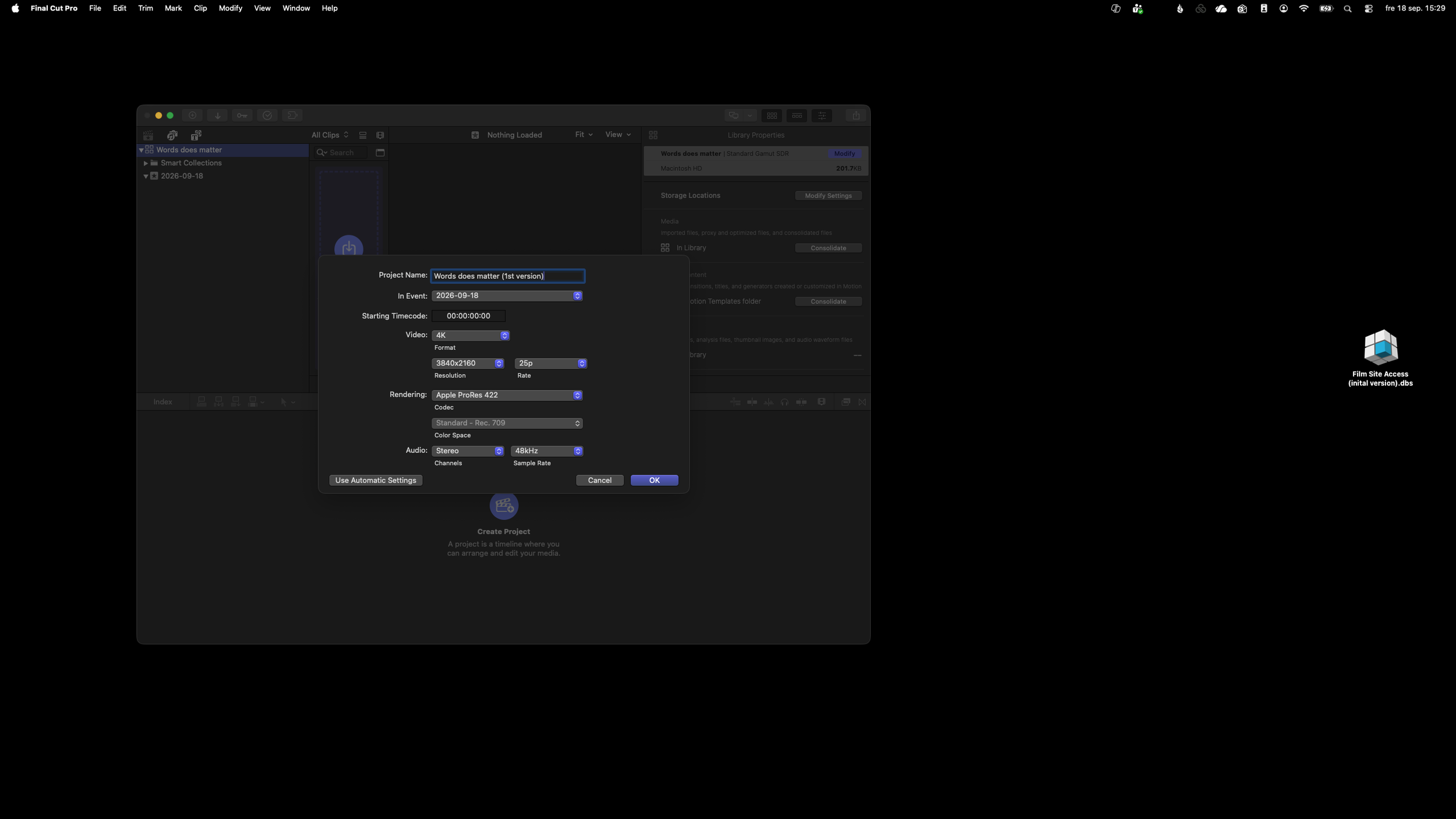
In the Apple universe, FCP, (video editing program), uses these to terms for something completely different.

When you create a project in FCP, you create a timeline for editing, not a like project on your finance system or in your ERP.

An event in FCP is a logical folder where you store media assets and project. Project in FCP terminology, not film production projects.

Event in IT is not equal to event in film production, and not with an event in FCP.

An FCP project is called sequence in Avid and timeline in Resolve. Don’t mention the word timeline for a project manager as he thinks of something else.

The term program is also ambiguous. A transformation program with different projects, a software program or a program on TV.

Is it confusing for you? Then think of an AI agent trying to find out the context.

Try develop software without a coherent terminology, within budget, time and with quality.

This is why I recommend to use Information objects a semantic Rosetta stone.

TM Forum’s information model have defined entities for Project and Event. My approach would be to use these two words as information objects.

The project term from finance relates to the information object project. Project in FCP relates to another information object, not yet defined.

With your own Rosetta stone, it’s easier for both humans and AI to understand.
Forty years in IT

Forty years in IT, and still curios.

September 1986.

I moved to Stockholm to start working as a programmer (software developer) after I’ve done the compulsory military service in Sweden. Without any place to live, I stayed the first week at a hostel in central Stockholm.

Few weeks later, I got a second hand flat, and bought my first PC for 30,000 kr. In todays value roughly 120,000 kr or €10,000.

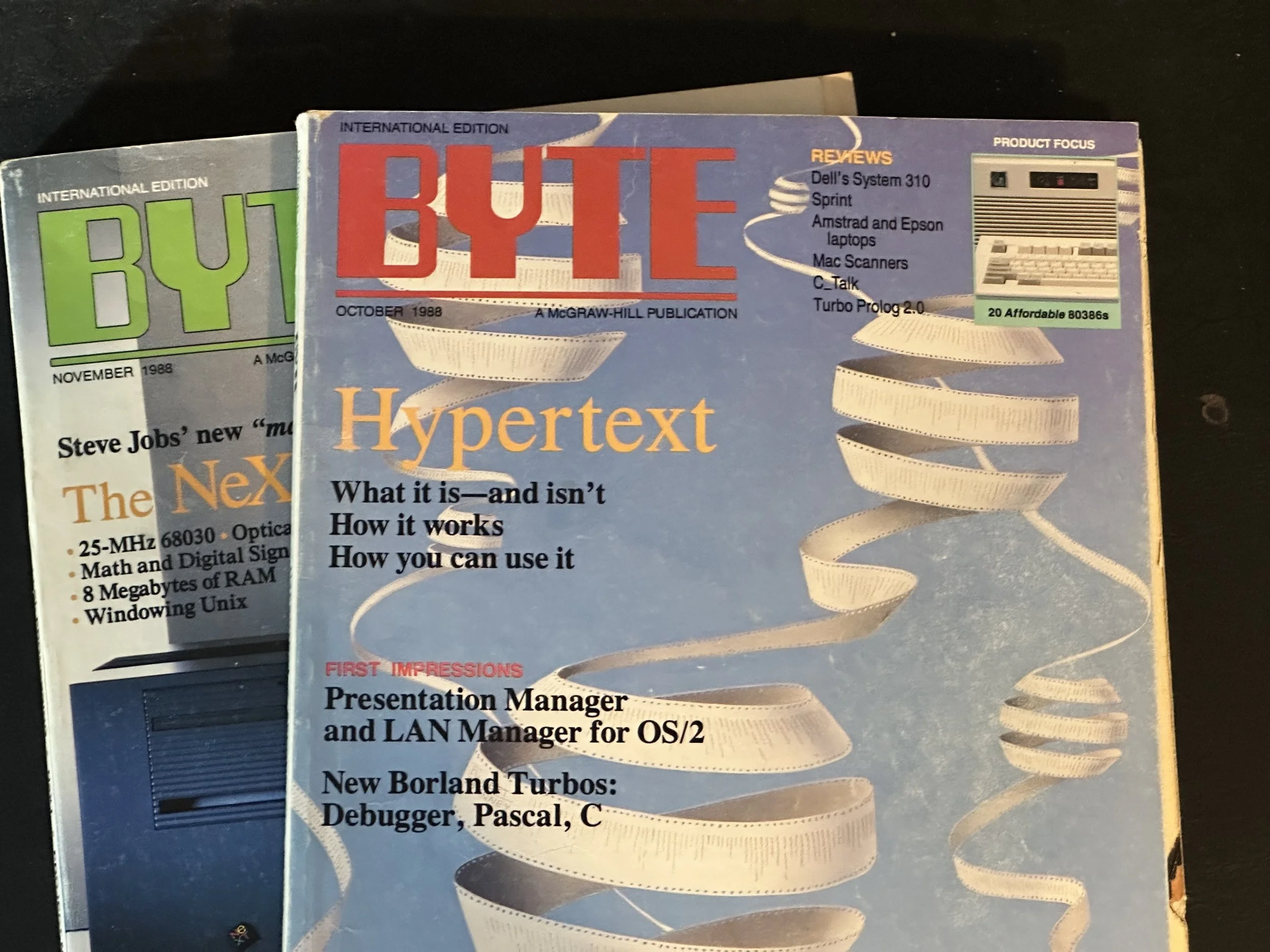
Borrowed a 300 baud modem to connect to BBS and connect to work so I could work from home using file transfer to my work PC. Went to the library to read BYTE about things like hypertext and a new workstation called NeXT.

Fast forward to 2026 and I’m still curious.

Can you develop large complex IT-systems with AI? Back in the days, development in assembler and Pascal. Today using Xcode, Visual Studio and Claude.

The challenge in the good old days was the 32kb program limit for Intel 8088, and 640 kb addressable memory for the IBM PC.

Today’s challenge is how to design a cloud solution with several billions of events, that doesn’t break when connectivity disappears. Rådighet.

Stay curious, always.

Design your own interface?

I’ve seen many examples of developers trying to create their own interfaces.

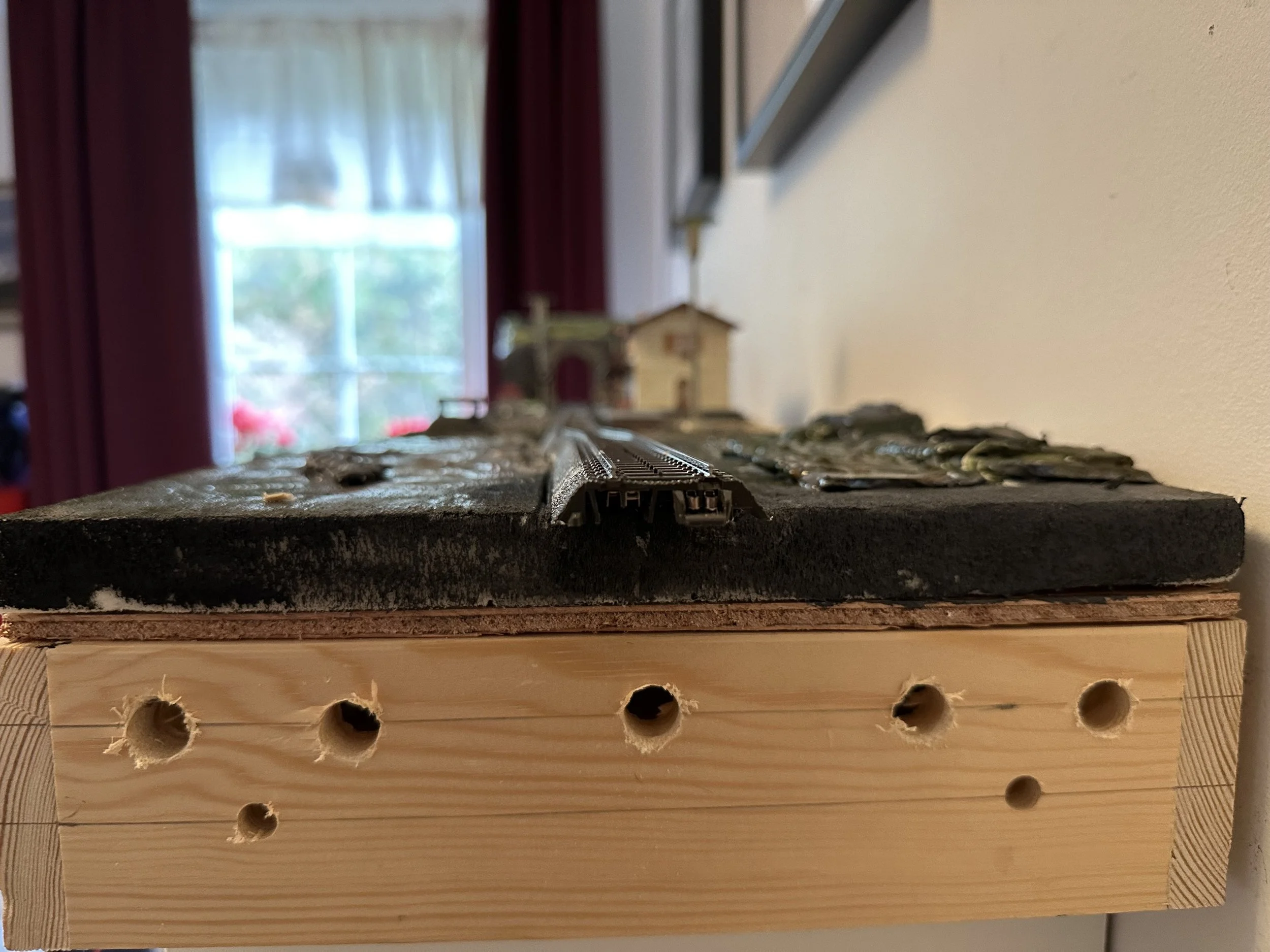
When I wanted to expand Sandkasten, my model railroad diorama, to something bigger, I did the opposite. I went out looking for standards working with my tracks.

MMM-3R was the answer.

A ready-made ”standard” how to interface model railway modules with Märklin C-track.

What I had to do was to drill a couple of holes at the edges, and adjust the track so it fits the integration point.

The other parts of standard, digital control, landscape design etc, are on top of the physical stack, and can be added later.

I can now design Ebelsbach as I want, but direct connect the module to a much larger world later.

This is architecture design in practice.

Who owns the mess?

Jonas Jaani asked who owns the AI-agents.

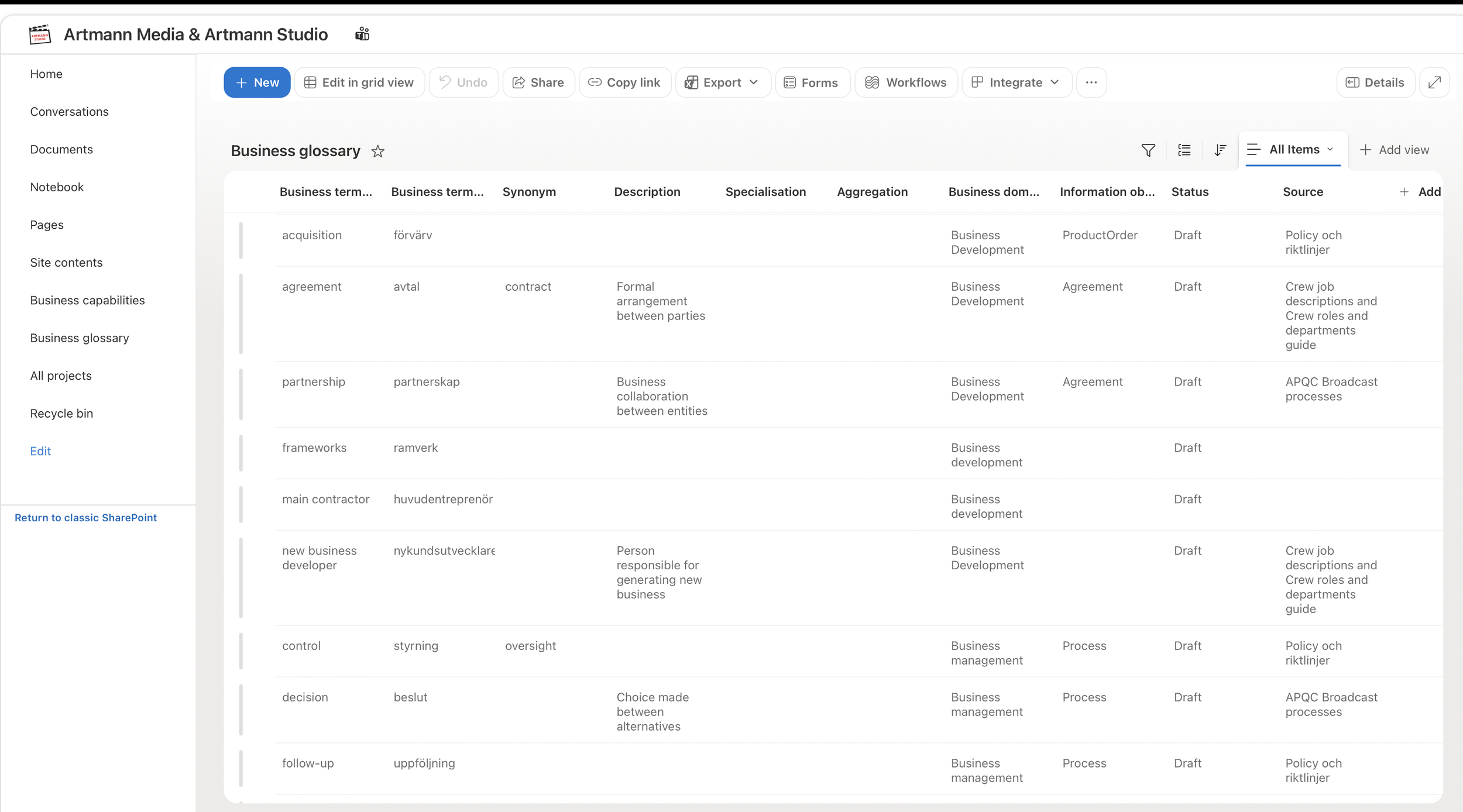
For me this is a relevant question as I’m preparing to set upp AI-agents to manage our business glossary automagically.

Each term is related to a business capability and each capability an owner. But what about the agent itself?

Develop and Manage Business Capabilities is part of the APQC framework for Broadcasting that we use. The person accountable for that capability is also accountable for the agent that describes and manages our business glossary and our management system. That accountability belongs to the business, not to IT.

Compete at work?

Comparing competing in sports with normal workdays is in my experience utterly wrong.

I played football in a team as a teenager, and one of the team members later played in the World Championships in UK for Sweden.

When riding today, it’s not competition. It’s about getter better and building trust between me and the horse. He can jump much higher than me. Yes, we will soon compete, but the reason is to see progress, not with others.

When you are in a team, you can learn from others and be better. If you are an individual competing with everyone, you’re alone. This even applies for a team of two.

My horse, Carayllio have been jumping on Grand-Prix levels, more than 150 cm height. For me as a beginner horse rider, 50 cm is high enough, so he is teaching me to be a better rider.

An experience rider on the other hand, can jump very high with him, and train young horses to jump.

This is more about mastery than competition, even if someone is faster and jumps higher in world championships.

In both cases I do sports for fun, not for anybody tell me to compete.

Work as a consultant is doing a job every day, with more or less challenging task to solve.

Collaborating with others, not competing. Learning from others, and train when you are a master yourself.